
 EN
Generator Deep Sea Controller: DSE Module Selection
Work with diesel genset systems long enough and you recognize a pattern: the controller specification gets decided last, yet it shapes nearly everything about how the system behaves. The generator deep sea controller range from Deep Sea Electronics (DSE) has become a reference point in this category — not just in the UK market where DSE is headquartered, but across commercial, industrial, and telecom applications worldwide. This article covers how the DSE series is structured, what each module class handles, how the lineup compares to the SmartGen HGM series, and what wiring and configuration considerations matter before installation.
What a Generator Deep Sea Controller Actually Does
A generator controller manages the start/stop sequence, monitors engine parameters, and handles the interface between the generator set and the load side. The specific functions depend on the application: a single standby unit serving a small commercial building has different control requirements than a paralleled genset array in a data center or hospital.
For the DSE generator deep sea controller family, the core functional categories are:
- Auto Mains Failure (AMF): The controller monitors utility supply voltage and frequency. When mains drops below threshold, it initiates a start sequence, brings the generator to stable voltage and frequency, transfers load via an ATS contactor, then initiates a cooldown-and-stop sequence once mains is restored.
- Auto Transfer Switch (ATS) Control: Works with the AMF function to control dual-contactor panels or motorized changeover switches. The controller handles transfer timing and interlocking logic to prevent simultaneous close of both sources.
- Auto Start / Remote Start: For applications without a mains supply — prime power or remote sites — the controller handles timed or signal-triggered start sequences without reference to a utility source.
- Load Sharing and Synchronising: For paralleled installations, higher-tier DSE modules manage frequency matching before closure, active and reactive load distribution between running generators, and demand-based start/stop sequencing.
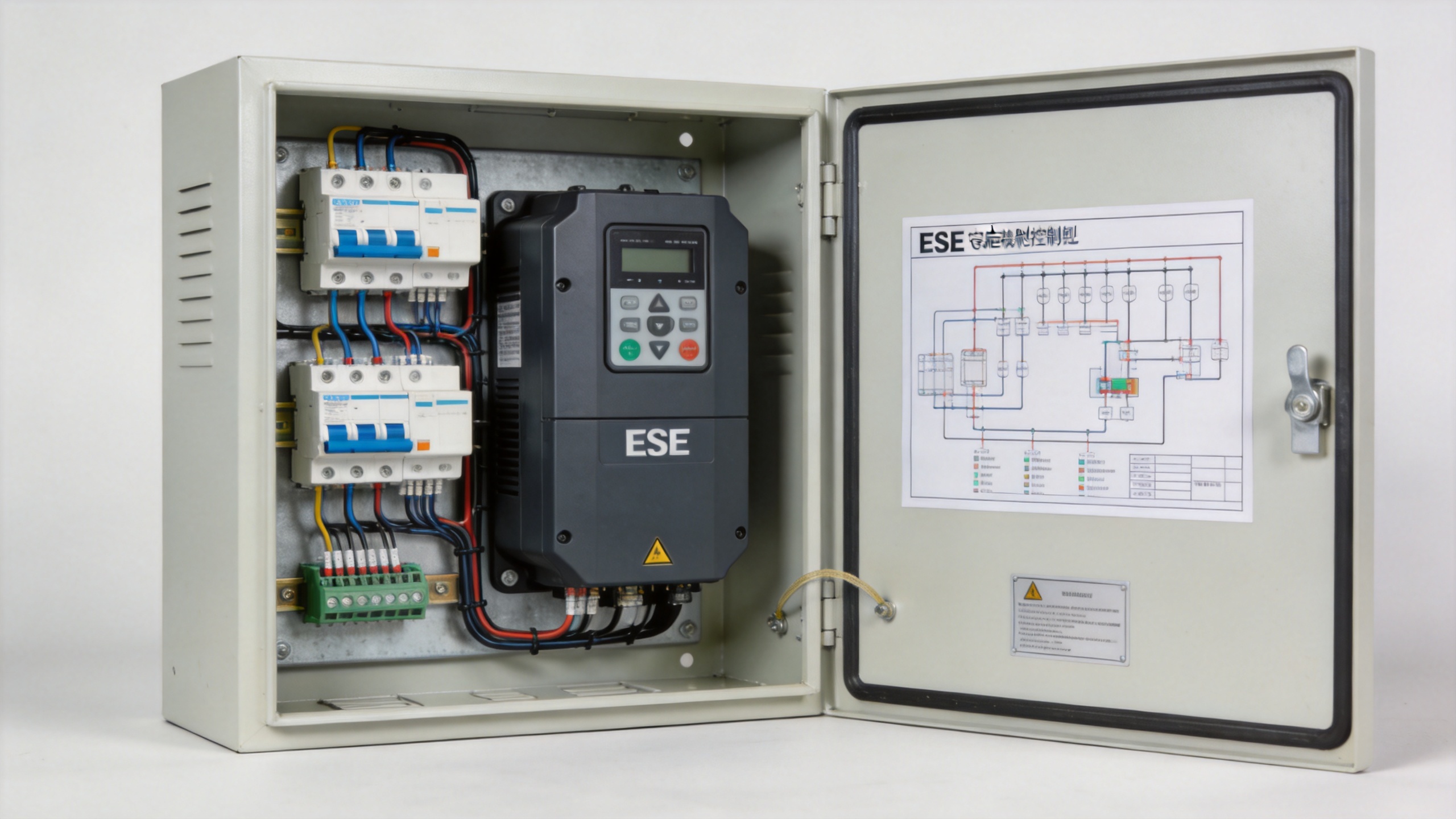
DSE Module Series: How to Match the Model to the Application
The DSE product line is organized by application complexity. Three models are most commonly evaluated for commercial and light industrial projects:
DSE4520 MKII — Entry AMF for Single Genset Applications
The DSE4520 MKII Auto Mains Failure Control Module is a compact AMF controller for single generator installations. It handles mains failure detection, auto start/stop, and basic protection functions including overcrank, underspeed, and oil pressure/temperature shutdowns. Where the primary requirement is AMF operation without expanded monitoring or remote communications, the DSE4520 MKII is a practical entry point in the DSE generator deep sea controller lineup.
DSE7320 MKII — Mid-Tier AMF with Expanded Monitoring
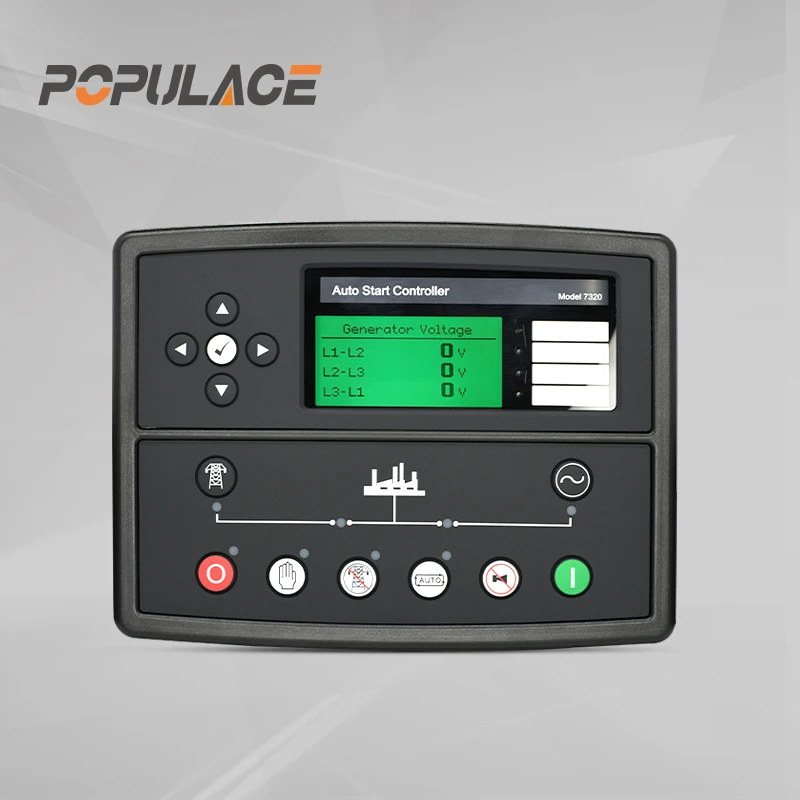
The POPULACE DSE7320 MKII AMF Generator Control Module extends the AMF platform with additional monitoring inputs, an integrated graphical display, and event logging. Beyond basic protection, it tracks fuel level, battery voltage trends, and engine parameters useful for compliance or warranty maintenance records. The DSE7320 MKII also supports expansion modules for remote communications via DSEWebNet or RS-485.
DSE8610 MKII — Synchronising and Load Sharing for Parallel Operation
The DSE8610 MKII Synchronising Load Sharing Auto Start Control Module is designed for systems running multiple generators in parallel. It manages automatic synchronisation before bus close, active and reactive load sharing between running units, and demand-based start/stop sequencing. The DSE8610 MKII requires a different panel wiring approach — including current transformers per generator and a communications backbone between units — so the decision to use this generator deep sea controller tier needs to happen at the project design stage, not during commissioning.
DSE vs SmartGen HGM: Choosing Between the Two Series
In the international market for commercial genset controllers, DSE and SmartGen HGM are the two brands most often evaluated side by side. The comparison reflects genuine differences in how each platform approaches the same functional requirements.
| Factor | Deep Sea Electronics (DSE) | SmartGen HGM Series |
|---|---|---|
| Origin & Brand Presence | UK-based, globally distributed, OEM-fitted by major genset manufacturers including FG Wilson | China-based, widely adopted in Asian markets and emerging market installations |
| AMF Functionality | Fully supported across DSE generator deep sea controller range (DSE4520, DSE7320, higher) | Fully supported across HGM series (HGM6110, HGM6120, HGM7110) |
| Software Configuration | DSEConfig PC software; USB direct config or remote via DSEWebNet | SmartGen configuration tools; USB direct or proprietary software |
| Paralleling Support | Purpose-built module class (DSE8610 and above) | Available on higher HGM models |
| Documentation Language | Primarily English; widely available manuals | Chinese and English; documentation depth varies by model |
| Price Positioning | Mid-to-high; premium associated with UK brand and global support network | Generally lower acquisition cost; competitive for price-sensitive markets |
In practice, the brand decision tends to follow the end-customer requirement rather than a pure technical comparison. Projects with European or North American operators, OEM genset brands, or insurance-mandated specifications often default to DSE generator deep sea controller modules. Projects in Asia and Africa, or where acquisition cost is the primary constraint, often land on SmartGen HGM. The more useful question is whether the controller's support ecosystem matches where the system will actually be maintained.
Wiring and Configuration Notes for System Integrators
A few points that consistently come up during commissioning, regardless of which DSE model is being installed:
- Mains Sensing Wiring: DSE AMF controllers measure mains voltage at a sensing input, typically three-phase L1/L2/L3 and neutral. This input must be wired from the mains side of the ATS panel, upstream of the transfer contactors. Wired incorrectly, the controller may misread a load-side voltage as healthy mains, causing retransfer delay or failure.
- CT Sizing for DSE8610: Load sharing requires correctly sized current transformers matched to the generator's rated current output. Incorrect CT ratios produce inaccurate kW readings, which directly affects load sharing balance. Verify CT primary rating against generator nameplate current before commissioning.
- Digital Input Labeling: DSE controllers allow configuring digital inputs for remote start, fault bypass, and mode selection. An input mapped to two logical functions simultaneously can produce behavior that is difficult to diagnose without reviewing the configuration file. Labeling physical wiring to match configuration records avoids this during later service visits.
- Cooldown Timer Setting: Verify the engine cooldown period against the manufacturer's recommendation. For turbocharged engines, this is typically 3 to 5 minutes. The DSE configuration tool allows this to be set per installation.
One consideration specific to international procurement: the rotating rectifier assembly and excitation winding components on the alternator side are sometimes replaced alongside a controller upgrade. For Cummins-engine gensets using a control governor cummins interface — including specific part references such as the 3044196 cummins governor part or a briggs voltage regulator configuration — verify that the DSE controller's AVR interface matches the alternator's existing sensing and excitation circuit before ordering. This compatibility check applies to both the generator deep sea controller and any alternator-side components being sourced at the same time.
Sourcing and Supply Considerations
For wholesale buyers and system integrators sourcing DSE generator deep sea controller modules for project installations, confirming specification compatibility before order matters more than catalog price. Populace Electronic Co., Ltd. stocks DSE controller modules including the DSE7320 MKII, DSE4520 MKII, and DSE8610 MKII, with pre-order technical compatibility support for buyers who need to confirm interface specifications before committing.
The DSE product line is structured around clearly differentiated use cases. For single-genset AMF applications, the DSE4520 or DSE7320 covers the standard range. For parallel or load-sharing systems, the DSE8610 is the appropriate selection. Matching the module to the application before procurement reduces the risk of a controller swap during commissioning.
For technical inquiries or wholesale sourcing of DSE generator control modules, contact Grace at [email protected] or visit kygenpower.com.






