
 EN
How to Become a Supplier of Engine Governor Units for Industrial Engines?
Running a parts distribution business means that when you add a new product category, the margin is rarely the first thing that matters. What matters first is whether you can actually deliver the right part — consistently, with documentation, to buyers who have real engines waiting. Engine governor units sit squarely in that category. The demand is real, the compatibility requirements are specific, and the buyers who source them in volume have learned, usually through one bad experience, to qualify suppliers carefully before placing a standing order.
This guide walks through what it actually takes to enter the industrial engine governor supply chain — not as a general overview, but as a practical sequence for parts distributors and sourcing intermediaries who want to make it work.
Step 1: Understand What Industrial Buyers Are Actually Purchasing
An engine governor is the component that regulates engine speed automatically, keeping a diesel or gas engine within its rated RPM range under varying load conditions. In industrial applications — standby generators, prime movers, marine propulsion units, and heavy equipment — the governor is not optional. Without it, an engine either overspeeds under light load or stalls under heavy load.
Three main types appear in the industrial market:
- Mechanical engine governor: Uses centrifugal flyweights to sense speed and adjust fuel supply mechanically. Common in older equipment, small diesel generators, and applications where electronics are impractical.
- Hydraulic-mechanical governor: Combines hydraulic servo amplification with mechanical speed sensing. Used in larger industrial diesel engines and turbines where higher actuating force is required.
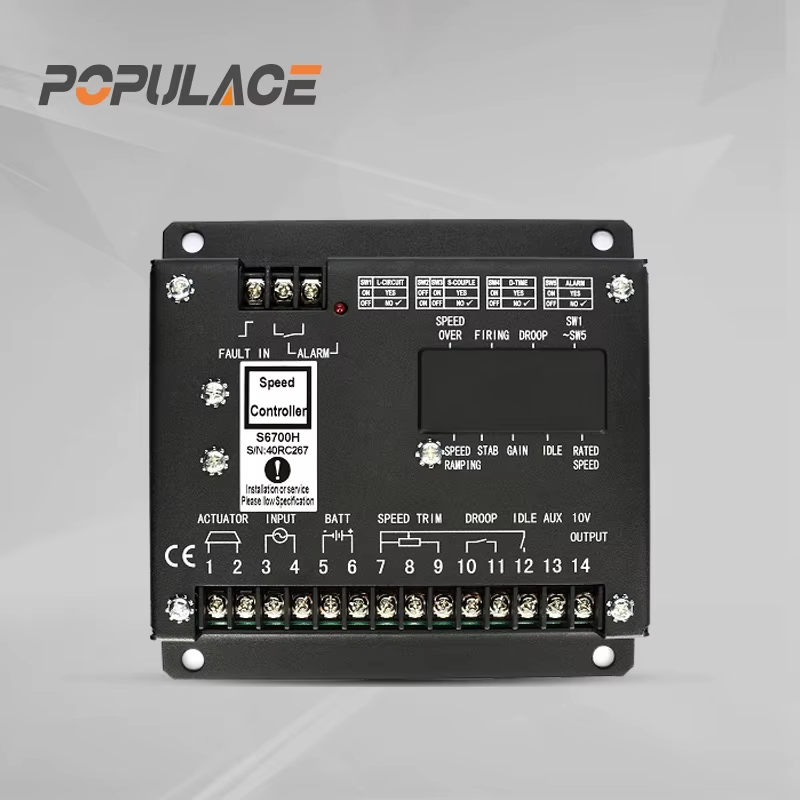
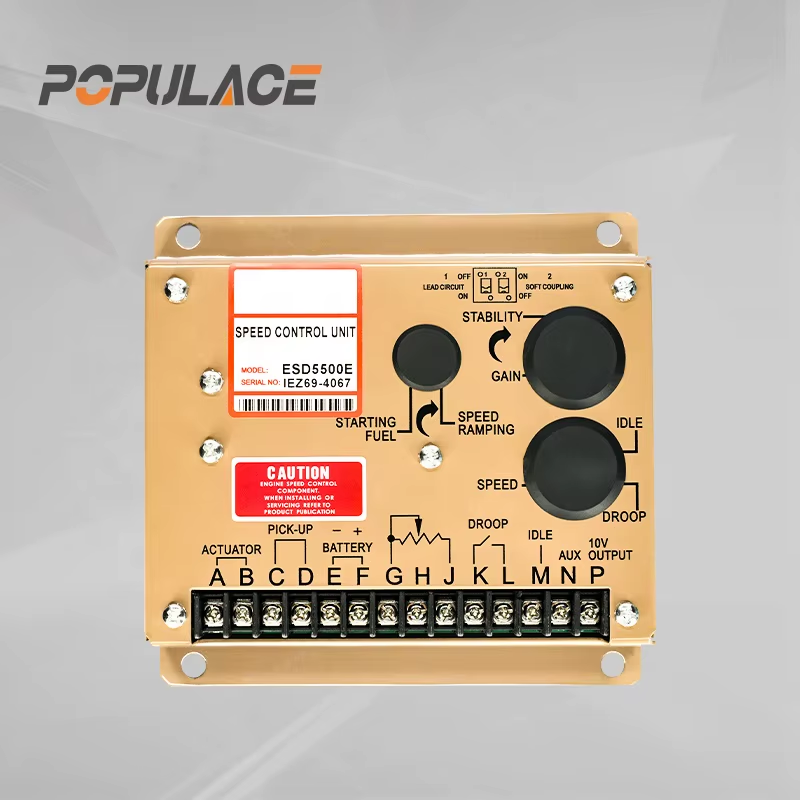
- Electronic engine governor: Uses an electronic control unit (ECU) and actuator to regulate speed. Standard in modern diesel gensets and industrial engines requiring precise isochronous control.
Most wholesale buyers in the genset and industrial engine service sector need all three types in their inventory. What they are not willing to accept is a supplier who specifies model numbers based on brand alone without confirming interface type, actuator compatibility, and droop setting range. That is the first qualification checkpoint you need to build into your own supply chain before approaching buyers.
Step 2: Define Your Product Scope Before You Source
The shift most experienced distribution operators make when entering this category is realizing that engine governor sourcing is not about stocking the most popular brand — it is about confirming the exact application match for the engine models your customers run. A diesel engine governor unit that fits a Cummins 6BT is not interchangeable with one designed for a Perkins 1006, even if the specs look similar on the surface. That difference only becomes visible when the installer opens the box on-site.
Before placing your first purchase order, identify:
- Which engine families your target customers service (Cummins, Perkins, Deutz, Volvo, SDEC, or others)
- Whether the dominant demand in your market is for mechanical, hydraulic, or electronic engine speed governor models
- Whether buyers need complete governor assemblies or replacement actuators, sensors, and controller modules separately
- The typical order quantities — weekly, monthly, and emergency stock requirements
Distributors who skip this step typically discover the problem at the second or third order cycle, when a buyer stops reordering because the first batch created installation problems. That is a recoverable situation, but it costs you a reference account at exactly the point when you need one most.
Step 3: Meet the Technical Documentation and Quality Requirements
Industrial engine governor buyers — particularly those supplying generator assemblers, OEM service networks, or plant maintenance programs — require documentation that goes beyond a product datasheet. A supplier who can demonstrate these consistently will close accounts that a supplier offering only a lower unit price cannot.
At a minimum, prepare to provide:
- Part number cross-reference tables confirming compatibility with specific engine models and serial number ranges
- Speed regulation accuracy specifications (typically expressed as a percentage of rated speed, with steady-state and transient values stated separately)
- Operating temperature range, vibration tolerance, and IP rating where applicable
- Factory test certification or quality inspection reports per batch, not just per product line
- Clear statements on whether parts are OEM-equivalent, OEM-sourced, or purpose-built aftermarket
Buyers who have dealt with diesel engine governor failures caused by incomplete documentation have a standing policy: if the technical package is thin, the unit does not go into the field. That policy holds regardless of how competitive your price is.
Step 4: Structure Your Supply Chain for Industrial Lead Times
Most buyers start with a focus on unit price. After one missed deadline or emergency substitution order, the priority shifts. Lead time reliability, minimum order flexibility, and emergency stock availability matter more to a buyer running a service operation than a price difference of a few percent per unit.
When establishing your supply chain for engine speed governor units:
- Work with manufacturers who can provide firm delivery commitments and batch traceability, not just catalog availability
- Establish whether your upstream source supports mixed-model orders, or requires separate MOQs for each governor model
- Confirm that the manufacturer holds safety stock for high-demand models rather than manufacturing only on order
- Agree on defect rate thresholds and replacement terms before your first shipment, not after a warranty dispute
For wholesale buyers in Asia, Europe, and North America who depend on these parts for generator maintenance and repair programs, receiving a confirmed shipment within an agreed window is often the primary differentiator between a supplier they reorder from and one they replace.
Step 5: Build Credibility with Industrial Buyers Over Time
A reliable engine governor supplier should be able to demonstrate consistent technical support, transparent specifications, and a documented supply track record before a wholesale buyer increases their order volume. That credibility is not built at the first sales meeting — it develops through the first three to five order cycles.
Practical steps that accelerate trust-building in this market:
- Provide sample units with full documentation before requesting a purchase order commitment
- Respond to technical compatibility questions with specific engine model data, not general category claims
- Maintain a shared product compatibility matrix that buyers can reference when specifying parts
- Be transparent about lead times, including when a model is temporarily out of stock rather than substituting without notification
Manufacturers focused on generator control components — including speed governors, AVRs, and actuators — who operate from established industrial supply bases and can provide verified channel access are typically the most reliable upstream partners for distributors entering this category. Direct manufacturer supply removes trading company intermediaries and gives the distributor cleaner access to product documentation and batch-level traceability.
A Practical Starting Point
For parts distributors looking to enter or expand in the industrial engine governor market, the entry path is straightforward in principle but requires discipline in execution: qualify your product scope before sourcing, document compatibility before selling, and measure your upstream partner on lead time reliability and technical support as much as on unit price. The buyers in this market are experienced enough to notice when a supplier is genuinely prepared, and to act on it with consistent long-term orders.






